The Hanging Horse
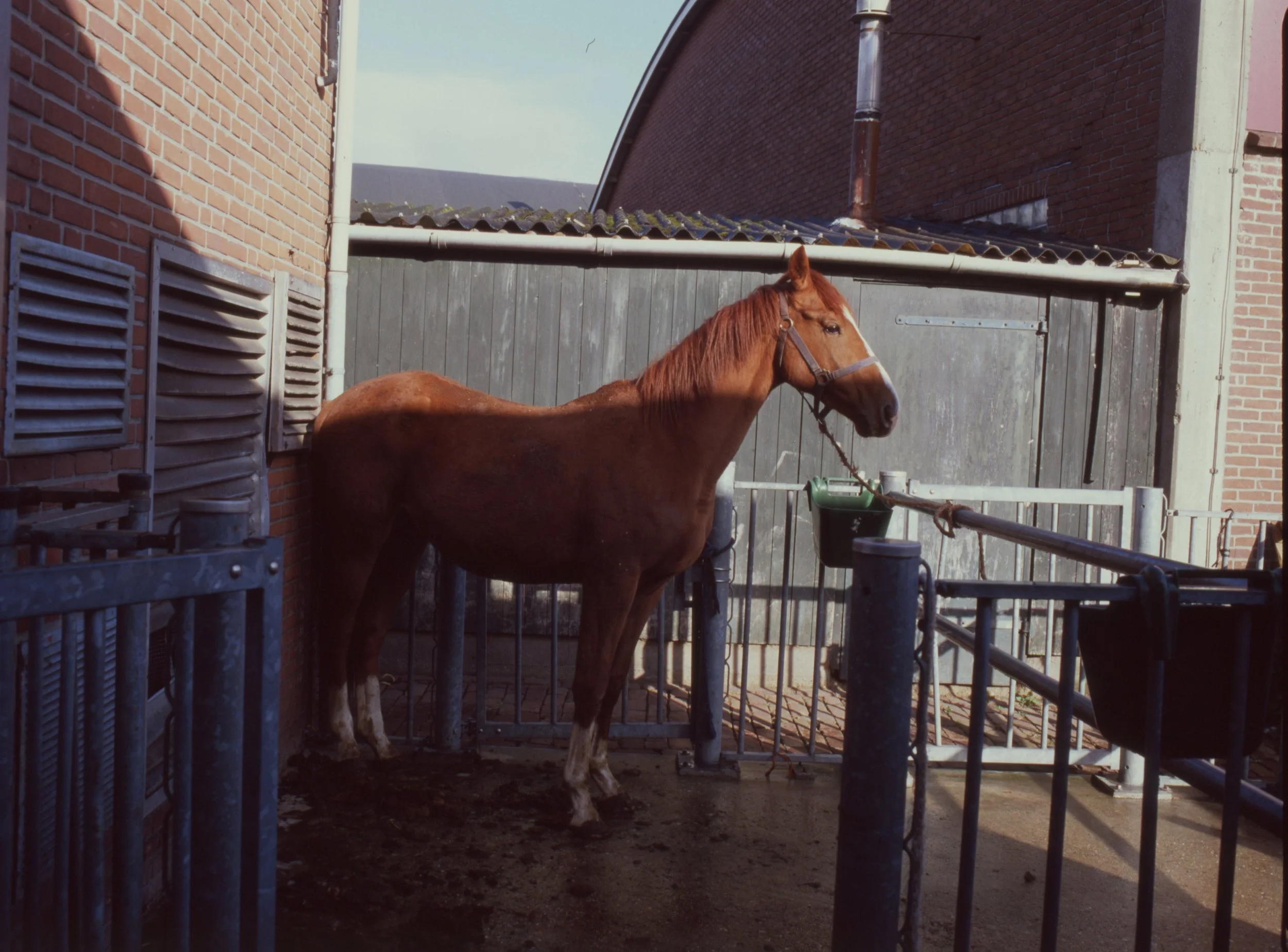
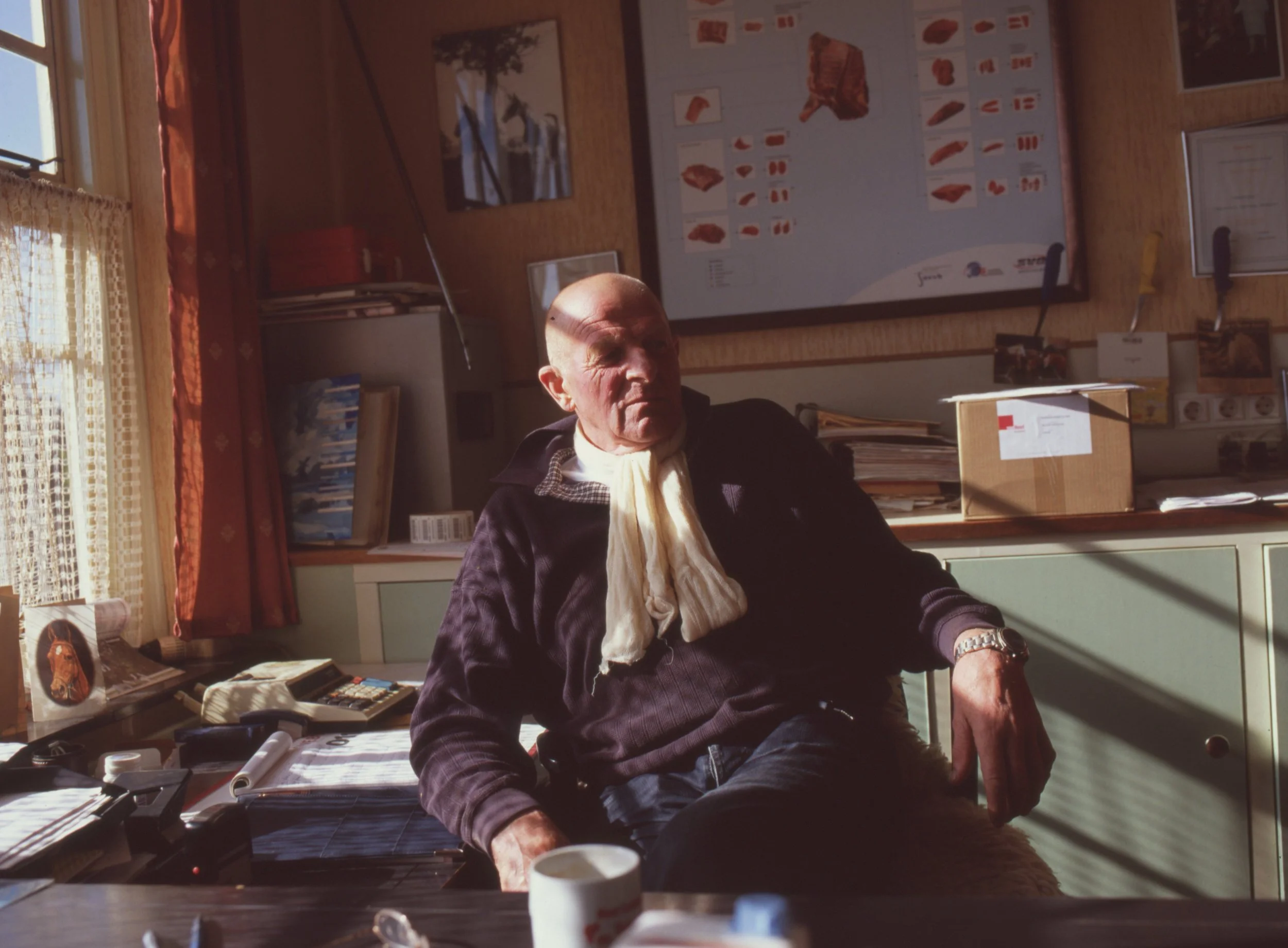
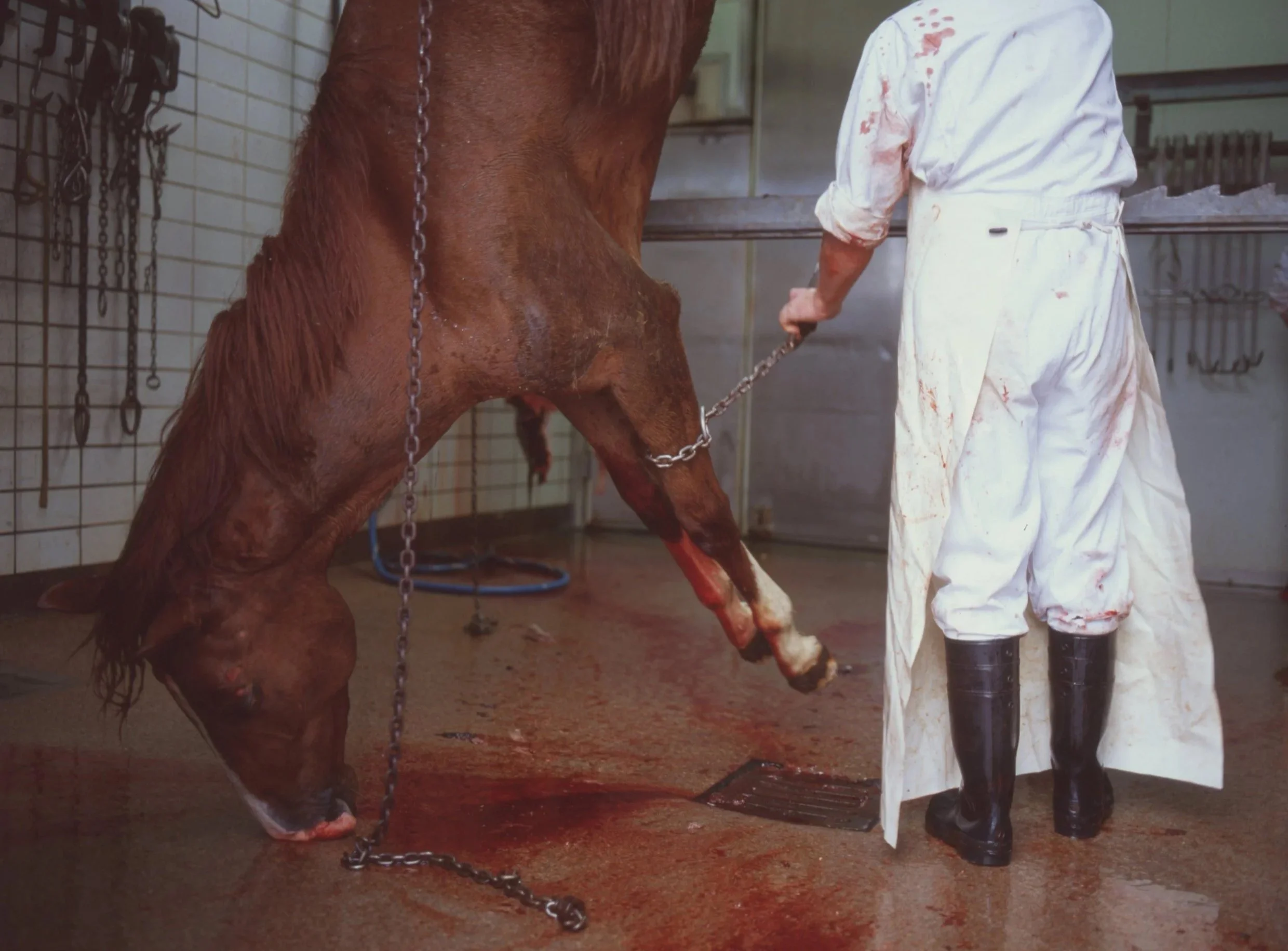
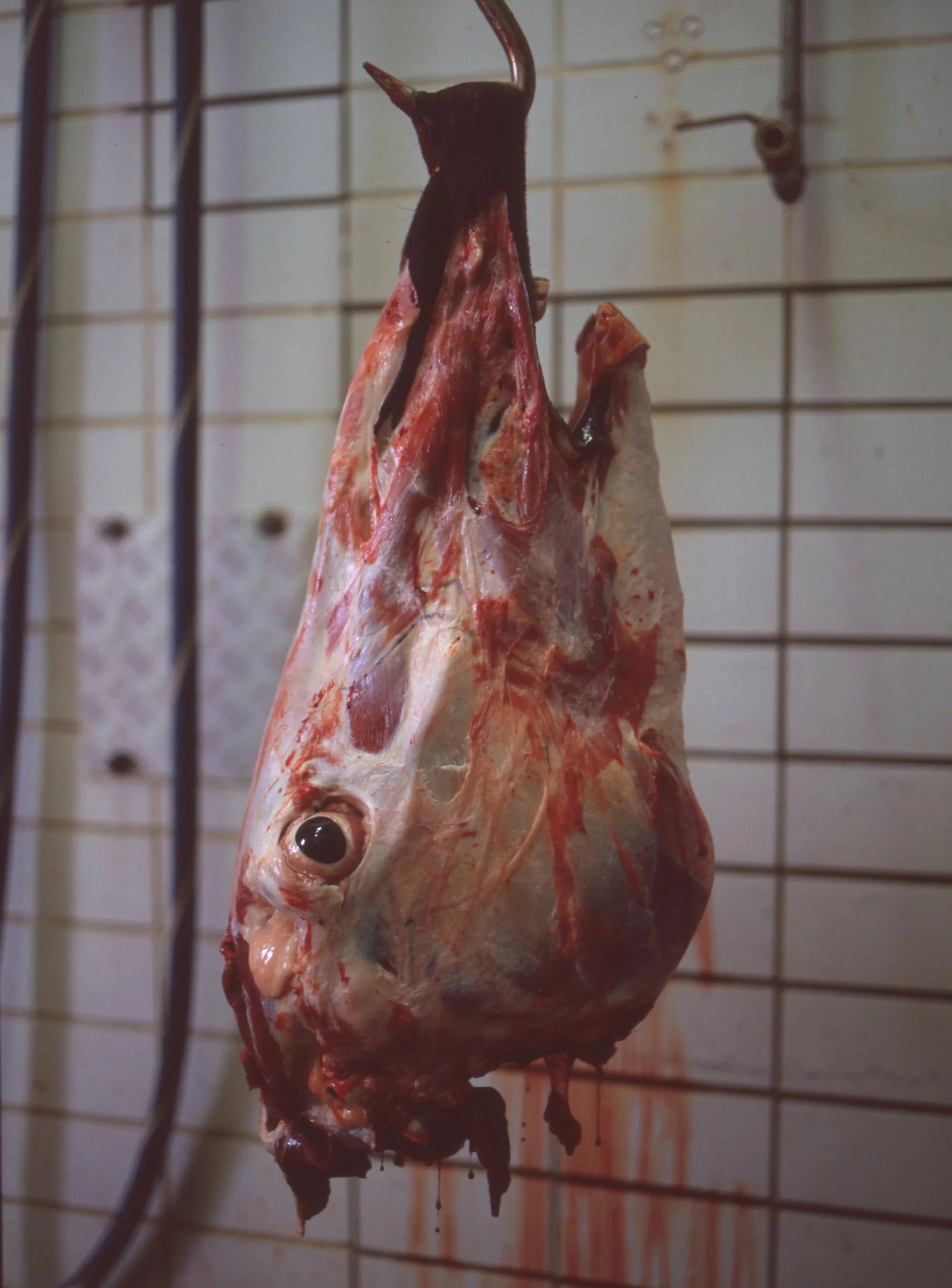
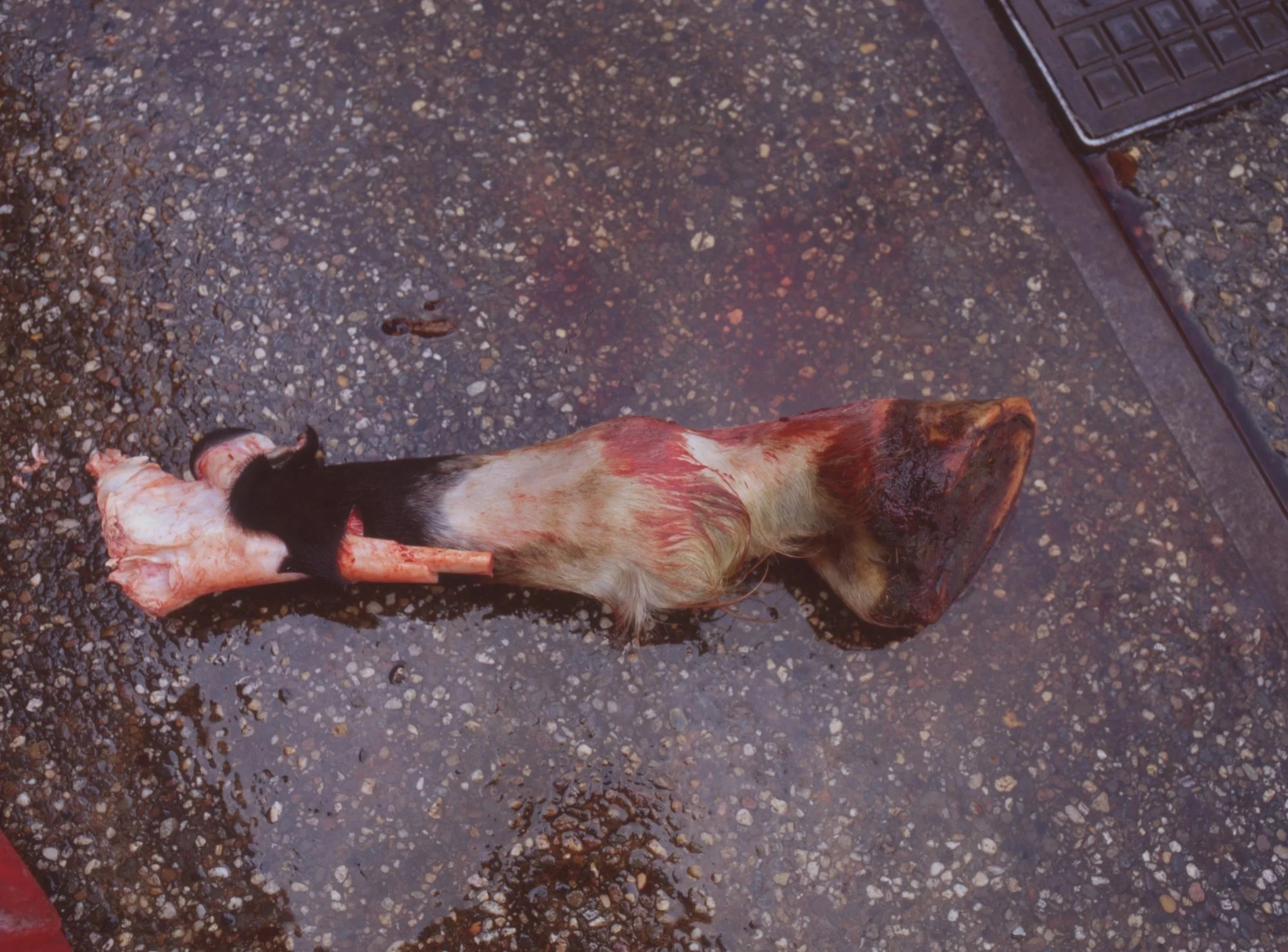
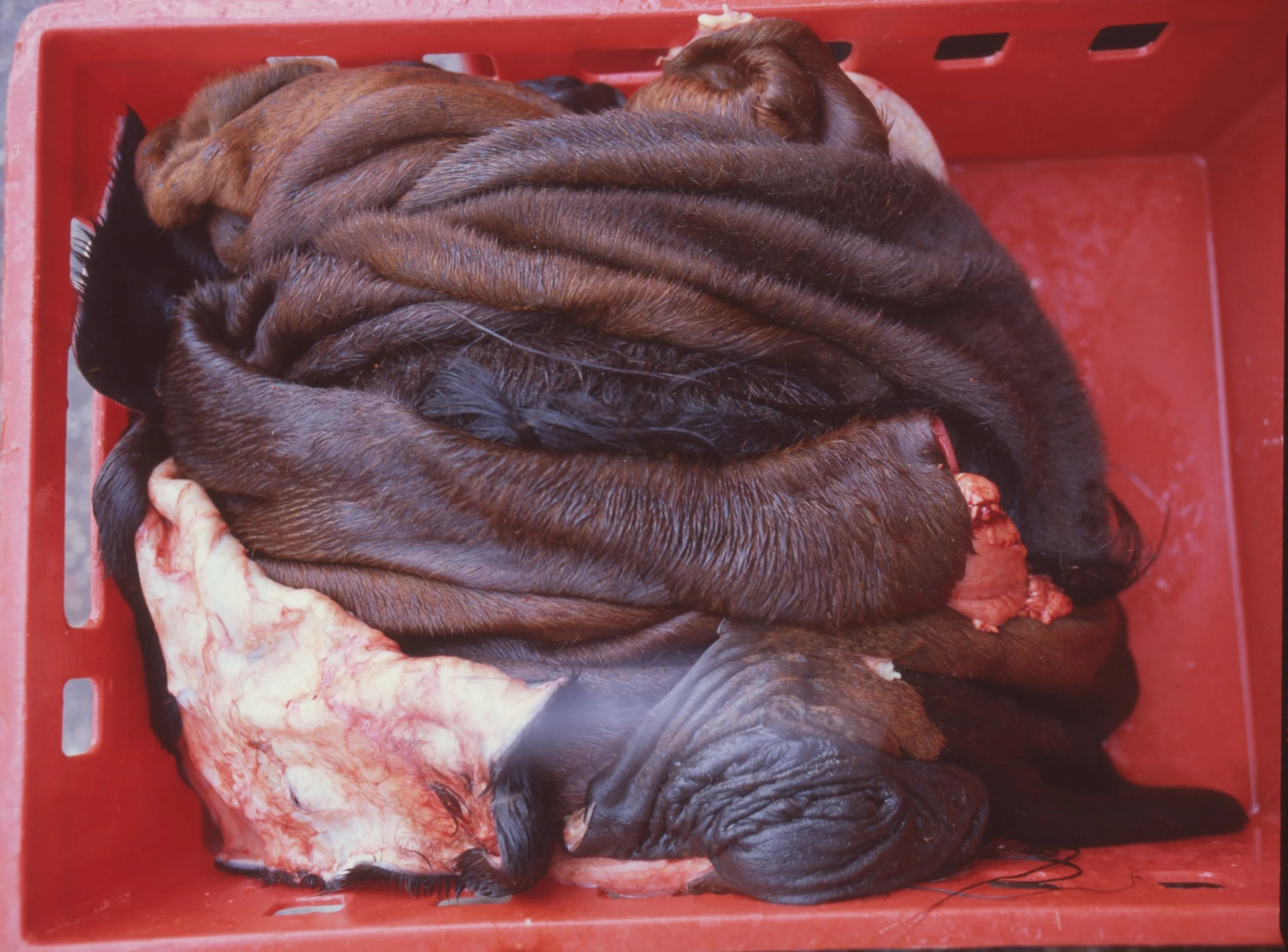
In Suspendus à cheval, I explore the moment of transition in which a horse exists between being a living animal and becoming an object. Photographed inside a horse slaughterhouse, the series focuses on a threshold that is both physical and symbolic: the instant when individuality begins to disappear and the body enters another state of meaning.
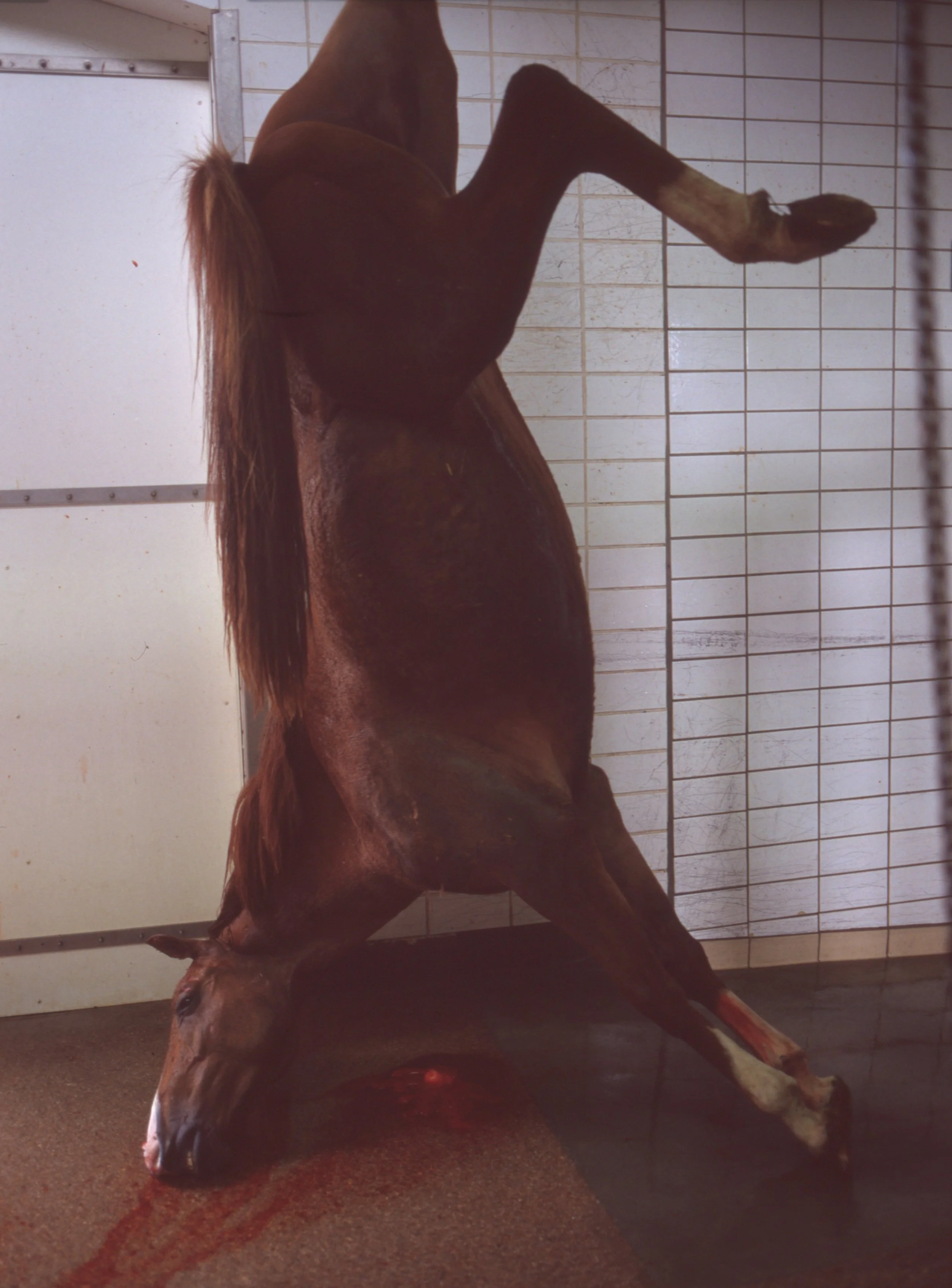
Suspended upside down, the horses seem to lose their familiar presence as animals. Their bodies transform into pure form—volumes, lines, textures, and weight. They resemble sculptures, bronze monuments, or abstract compositions. For a brief moment, they exist in a state of uncertainty. The viewer is left questioning whether life is still present, or whether the body has already become something else.
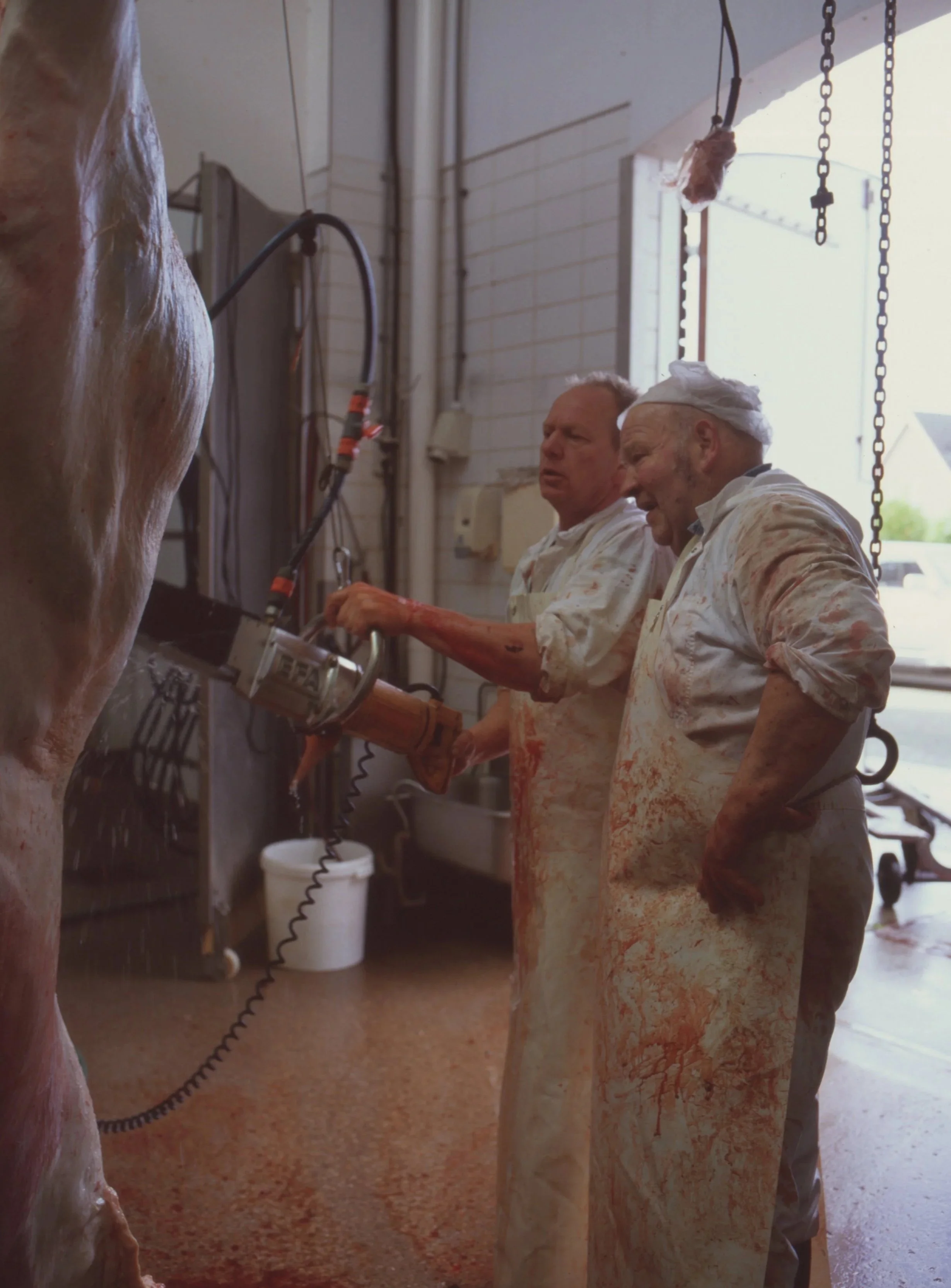
What fascinates me is the tension between serenity and violence. The animals appear remarkably calm, almost peaceful, while the surrounding environment speaks of industrial processes, control, and death. This contrast creates an unsettling stillness. The images neither sensationalize nor conceal what is taking place; instead, they invite contemplation.
The series raises questions about how we look at animals and how value is assigned to bodies. At what point does a living being become a product? When does a subject become an object? Rather than offering answers, the photographs dwell in this ambiguity.
Suspendus à cheval is ultimately a meditation on transformation, mortality, and perception. It seeks to hold the viewer in a moment of suspension—between empathy and distance, life and death, presence and absence.
The series was exhibited as part of De Paardenshow (2011) at the Singer Sweatshop, where the work formed part of a broader reflection on the cultural, symbolic, and physical presence of the horse in contemporary society.
Suspendus à cheval